How to Choose Ceramic Dinnerware for Your Retail Line
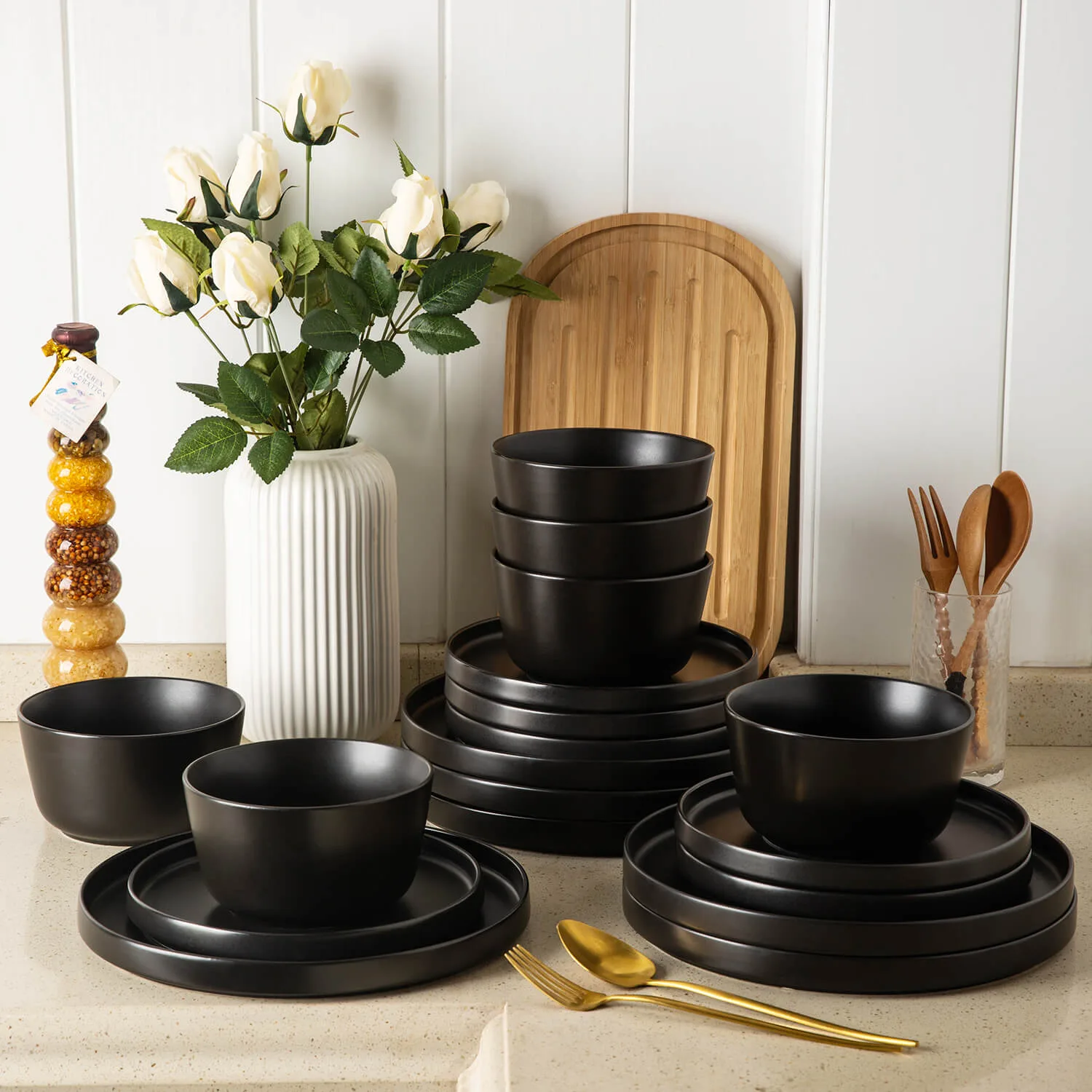
Choosing the right ceramic dinnerware for a retail or hospitality program is less about finding a single pretty set and more about matching material, finish, and price to your customer. This guide walks through the decisions that matter most.
1. Pick the right material
Ceramic and stoneware are the workhorses of everyday tableware: durable, microwave- and dishwasher-safe, and easy to glaze in custom colors. Porcelain and bone china feel finer and lighter, suited to premium lines but at higher cost.
2. Match the finish to the brand
3. Confirm compliance before you buy
For the US and EU, tableware must meet FDA and EU (LFGB) food-contact limits for lead and cadmium. Ask suppliers for test reports and keep them on file for retailer onboarding.
4. Think in programs, not single SKUs
Buyers convert best when a range is coherent: dinnerware sets, coordinated plates, bowls, and mugs in a shared palette. A 12–24 SKU starter collection is usually enough to test a market.
Liling Kilnfare supports all of the above with OEM/ODM development, custom glaze, and low-MOQ sampling from our Liling kiln.